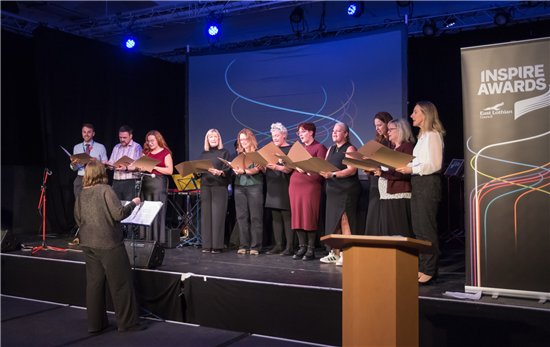
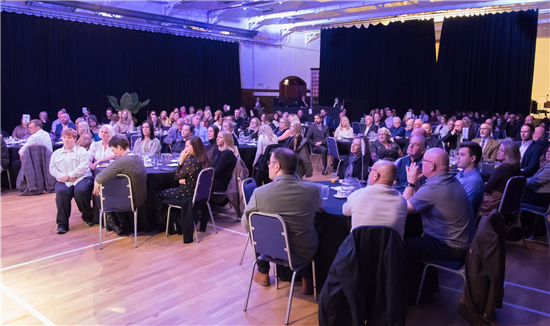
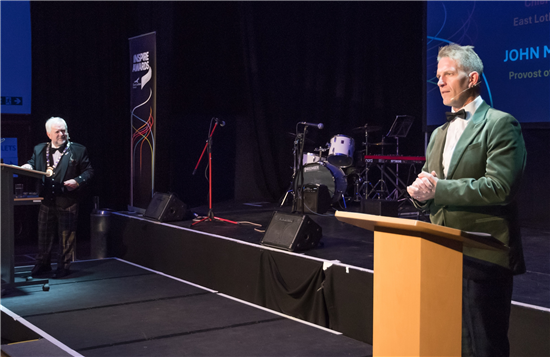
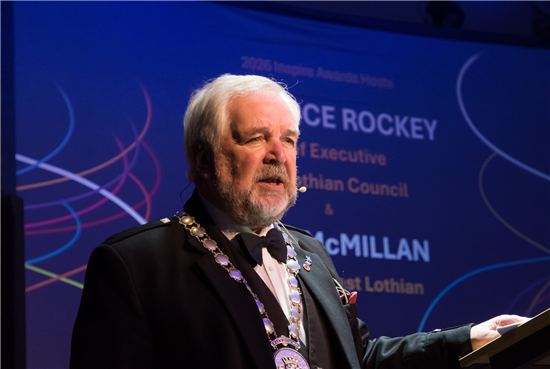
Inspire Awards 2026 - view more photos and a video of the event
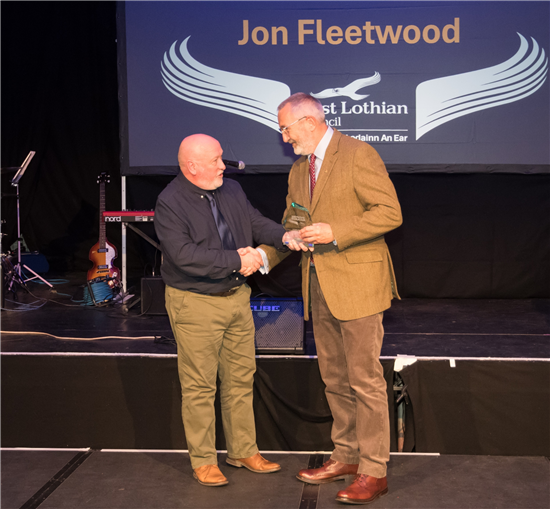
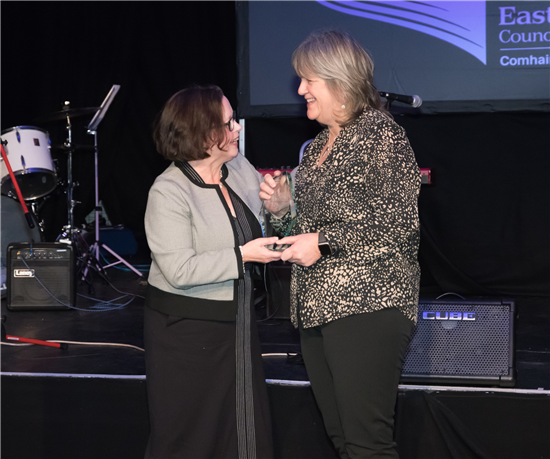
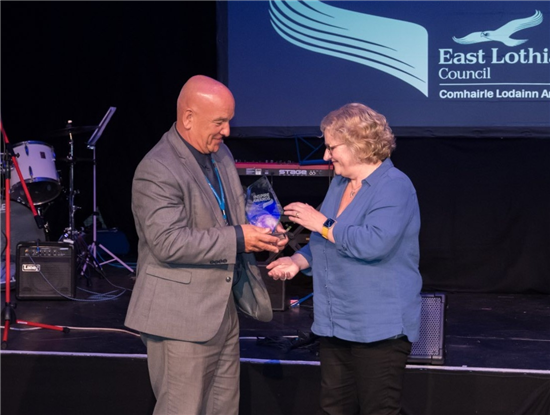
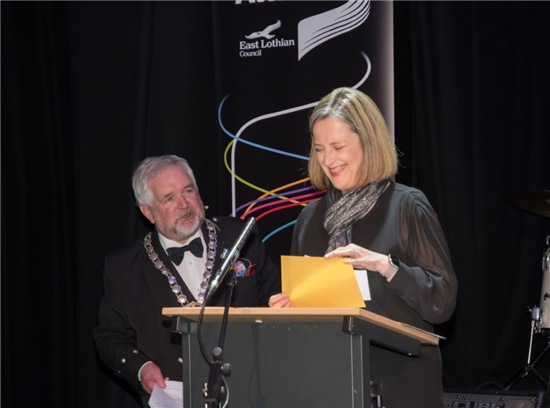
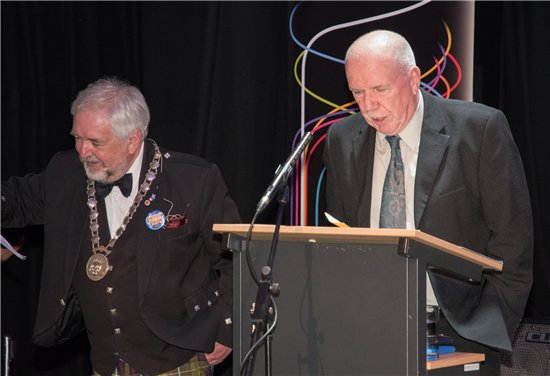
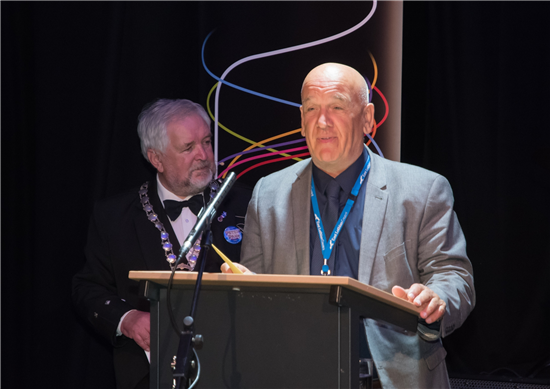
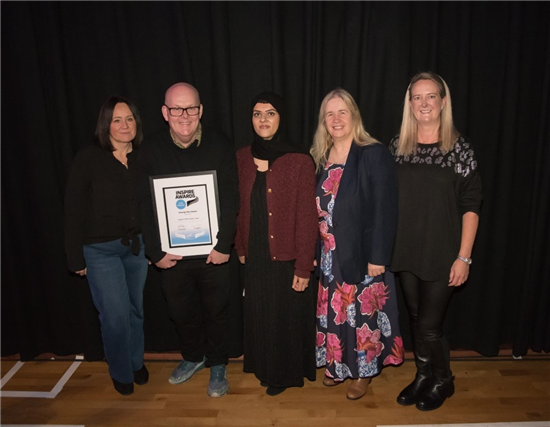
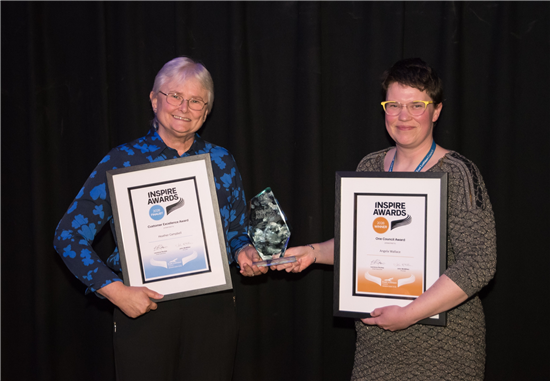
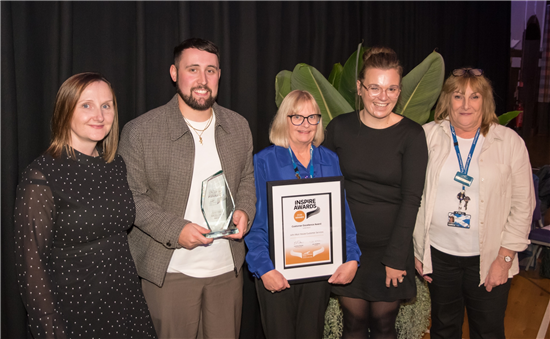
Congratulations again to all of our winners and nominees at this year's Inspire Awards, which took place in Haddington's Corn Exchange on Monday, 26 October.
Here's a video of the event and you can also find more photos below.
If you would like copies of any of the photos please drop us an email at inspire@eastlothian.gov.uk
The full list of finalists and winners can be found in October's Inform, available here.
Here are some more great photos from the evening:
Big ideas and small typos: living with dyslexia

Kari-Ann Johnston and Stevie McKinlay were both mature students at Edinburgh University when they received their dyslexia diagnoses. While Kari-Ann was receiving feedback on spelling and grammar in written work, the potential that Stevie was showing in class discussions wasn’t translating to his essays.
“Diagnosis is a double-edged sword,” Stevie (pictured right) explains. “In some ways I’d always known and it’s good to have an explanation but then you revisit experiences in your past and wonder what life would have been like if you’d had support earlier.”
For Stevie that includes a ‘miserable’ school life at a time when dyslexia was not as well understood as it is today. “That had a big impact on my character; it affects your identity as a learner,” he says.
Despite the challenges associated with dyslexia, Stevie graduated with a First Class honours degree. He brings experience, enthusiasm and a creative approach to any project, a significant advantage in his role as Team Manager – Community Empowerment.
Discovery, invention and creativity
In fact, researchers from Cambridge University have identified that people with dyslexia have enhanced abilities in certain areas including discovery, invention and creativity.
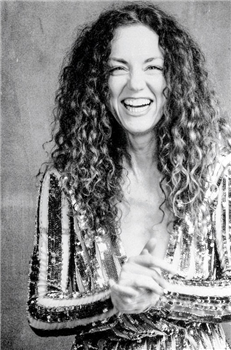
Creative was not a term Corporate Parenting & Children's Rights Officer Kari-Ann Johnston (pictured right) would have previously used to describe herself, associating it with art and design. However, she’s come to see it as a strength alongside her ability to take deconstruct big ideas into an accessible way is key in her role.
“Dyslexia has given me a visual literacy that I’m grateful for,” she explains. “I can see the pattern connecting legislation, how it connects with theory and then with lived experience. It’s given me real insight.”
Stevie agrees: “One of my big strengths is that I’m very intuitive, having learned to pick up cues from what’s happening around me. In group problem solving situations it can give me an edge because I’m imaginative and won’t necessarily go down the same route as others.”
Focus on strengths and resilience
This focus on strengths is something that Jenny Wright, Knox Academy’s Principal Teacher of Support for Learning is keen to instil in the young people she works with. “We have over a hundred pupils at Knox Academy who are dyslexic,” she explains. “I want them to know that we recognise all their strengths and resilience and are working hard to support them to achieve everything they are capable of.” Both she and Kari-Ann highlight dyslexia as a ‘superpower’ with Jenny adding: “their creativity, ability to problem solve and innovation is something to celebrate.”
Jenny points to the progress that has been made when it comes to understanding dyslexia in learning, and the supports that are now available in schools. Her Support for Learning team holds year-round weekly groups for dyslexic pupils help them to explore strategies to manage homework, classes and exams. She also points to the positive impact that the roll out of one-to-one devices in secondary schools is having for dyslexic pupils. “This has been an amazing step forward for our dyslexic pupils. The accessibility tools on the Chromebooks are really supportive.”
The right tools for the job
Knox Academy recently marked Dyslexia Week in October with awareness-raising activities. The theme for 2026 was The Right Tools for the Job, which aims to highlight all the things that can help people with dyslexia to work and learn at their best.
Dyslexia is a disability so employers have a legal duty to make reasonable adjustments to enable employees to carry out their roles. Although there are common traits, dyslexia affects everyone differently and can impact reading and writing, information processing and working memory. This means the adjustments that people may need will also vary and may change when roles and responsibilities do.
It’s something that Jenny is passionate about: “I feel it is my job to help our dyslexic young people for the future. People need to be able to ask for and receive reasonable adjustments that help them work and learn.”
For Kari-Ann, the introduction of Co-Pilot and other AI tools has helped her: “If I’m doing engagement I can use AI and I can be present and more responsive and attuned to what people are saying rather than all the different plates spinning in my head at the same time.” Stevie favours a more old-school approach: “I find it difficult to read and take in information,” he says. “I have to actively read, write down notes and highlight. And I’ve found my brain works much better in the morning.” Extra time to consider information helps although he notes that it’s not always possible.
Stevie and Kari-Ann are open about their dyslexia as evidenced by their email signatures stating ‘I’m #MadeByDyslexia – expect big thinking, small typos and creative grammatical errors’. Although they both intended the signature to explain any errors in their writing using, as Stevie explains “a wee bit of humour”, they’ve found it’s opened-up discussions with colleagues across the council, some of whom have now adopted the same approach.
When asked about what he would tell his younger self, Stevie is reflective. “I was embarrassed and thought there was something wrong with me. I’d now say to talk about it. All the things you think are really important, aren’t. You’ll learn in your own time and in your own way. It won’t hold you back.”
Find out more
Addressing Dyslexia: free online learning modules for teachers
British Dyslexia Association
Made by Dyslexia
Our first Aspiring Future Leaders graduates
Over the past six months, 24 colleagues have invested in their personal and professional development, strengthening their leadership capabilities, broadening their understanding of effective leadership practice, and building valuable networks across the organisation.
For these graduates, this marks the beginning of the next stage of their leadership journey. Some will continue to develop within their leadership roles, others will progress into new leadership opportunities, and many will remain actively engaged in development initiatives such as our council's Mentoring Programme.
The Aspiring Future Leaders programme reflects our commitment to developing talent from within, creating opportunities for colleagues to realise their potential and building a strong pipeline of future leaders who will help shape the organisation's success for years to come.
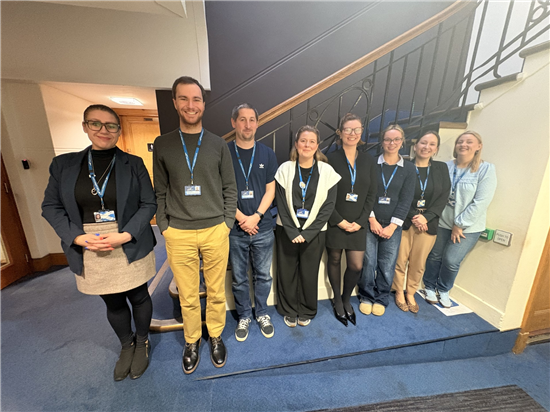
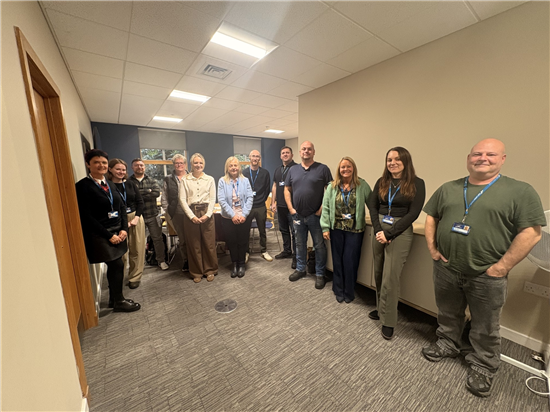
Nicole Mckerracher – Leadership Development Officer praised all of the graduates, saying: "Congratulations and thank you, to all of the graduates for the commitment, enthusiasm and openness you have brought to the pathway. It’s been a pleasure to support you on your leadership development journey, and I am excited to see where it takes you next."
What do the graduates say?
“I joined the programme because I was ready to take the next step in my development and challenge myself in a supportive environment. It has helped me build confidence, connect with colleagues across the organisation, and gain a deeper understanding of leadership. The blend of practical activities, theory and guest speakers brought the learning to life, and I've taken away valuable insights both personally and professionally.
Thanks Nicole and East Lothian Council for giving us the opportunity to be involved and invest in our development.”
Gail Raselli – Service & Information Officer, Child Services
For more information on what’s available for your Leadership Development visit the dedicated intranet pages.
Roll of honour:
Congratulations to all graduates:
- Kay Baillie
- David Braid
- Keith Forbes
- Fiona Glass
- Emma Goven
- Isla Haigh
- Alan Halliburton
- Cheyne Hamm
- Janette Horsburgh
- Sarah Jones
- Amy Law
- Sophie McFadzean
- Craig McMillan
- Richard McNeil
- Liana Mihailova
- Lauren Nicolson
- Jennifer Oliver
- Gail Raselli
- Amy Robinson
- Alex Tarasovs
- Arran Waldman
- Chris Wiseman