Gardening for a changing climate: Angus Campbell offers horticultural advice
Angus Campbell has worked in horticulture with our council for 38 years, with the last 17 spent as Head Operative at our plant nursery in Prestonpans.
While overseeing all stages of the growing process, he specialises in designing, producing, and maintaining seasonal planting displays that enhance public spaces across the county.
For this edition of Inform, Angus offers the benefit of his vast experience with advice and tips on horticulture as we face changing weather patterns due to climate change.
Colour, impact and creativity
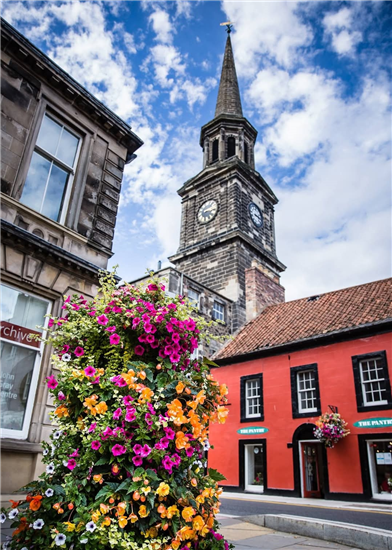 A planter in High Street, Haddington
Gardening and horticulture are evolving as we adapt to hotter, drier summers and increasingly unpredictable weather. For those of us involved in maintaining public spaces, town centre features and floral displays, the challenge is to combine colour, impact and creativity with plants that can perform well in challenging conditions.
One of the most important things we can do is choose plants that are suited to the conditions they are going to face. Annual plants can be particularly effective when creating high-impact seasonal displays. They give us the opportunity to introduce strong blocks of colour, different textures and varying heights, while allowing displays to be changed from year to year.
When selecting plants, I look for varieties that can cope with periods of heat and dry weather once established while still providing a long-lasting display. Plants with good drought tolerance can help reduce the pressure on watering, particularly in exposed locations. A successful planter doesn't necessarily need dozens of different plants. A simple combination of height, colour, texture and trailing plants can create a much stronger visual effect.
I like to think about the display from different viewpoints and consider how it will look from a distance as well as close up. Taller plants can provide structure at the back or centre, while lower-growing and trailing plants help soften the edges. Using repetition can also make a display feel much more impressive. Repeating the same colour or plant combination through a series of planters creates continuity and helps tie an area together.
Good planting doesn't have to be complicated or expensive. Sometimes a few well-positioned containers, a colourful border or a carefully planned display can completely transform an area. When advising community groups, I always encourage them to think about what will work for their location. Consider how much sun the area receives, how exposed it is, how easy it is to water and maintain, and what type of display will have the biggest impact.
Improving the soil
Water management is becoming increasingly important. Newly planted areas need particular attention while they establish, but good preparation can make a big difference. Improving the soil, using organic matter and applying mulch can help retain moisture. Watering thoroughly and at the right times is generally more beneficial than frequent light watering. Most importantly, we should aim to establish plants well so that they become more resilient and able to cope with periods of dry weather.
Changing climate presents challenges, but it also gives us an opportunity to rethink how we approach horticulture. We can continue to create colourful, imaginative and eye-catching displays while making sensible choices about the plants we use and the way we manage them. For me, good horticulture is about much more than simply putting plants in the ground. It's about creating spaces that people notice, enjoy and take pride in. Whether it's a large public display, a community planter or a small garden border, the right combination of plants, colour and creativity can make a real difference to how a place feels.
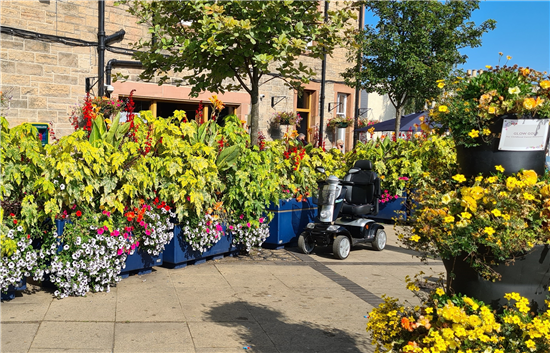 Planters in Tranent
There is also something very important that shouldn't be overlooked when we talk about colourful planting - the feel-good factor. Colourful flowers and well-maintained green spaces can have a positive effect on how people feel about their surroundings. A bright planter, vibrant border or colourful town-centre display can lift an otherwise ordinary space and give people something to enjoy as they go about their day. For communities, these displays can create a real sense of pride and belonging. They can make people stop and take notice, encourage conversations, and bring people together around something positive. It's not just about making somewhere look attractive. Creating welcoming, colourful spaces can contribute to community wellbeing by helping people feel connected to where they live and proud of their local environment.
For me, that's one of the most rewarding things about horticulture. You may plant a border or create a display and see the plants grow, but the real reward is seeing people's reactions - someone stopping to take a photograph, a resident commenting on the flowers, or a community group taking pride in what they have created. Colour can brighten a place, but it can also brighten people's day.